
Cats often appear calm, independent, and a little mysterious — but in reality, they are far more sensitive to stress than most people realize. Even small changes in their environment, daily routine, or social dynamics can trigger anxiety and cause noticeable shifts in behavior. If stress continues for too long, it may lead to health issues, unwanted behaviors, or a decline in overall well-being.
Below is a clear, gentle guide to help you recognize the most common signs of stress in cats and understand what you can do to help them feel safe, balanced, and relaxed again.
😿 Common Signs Your Cat Is Feeling Stressed
1. Hiding more often than usual
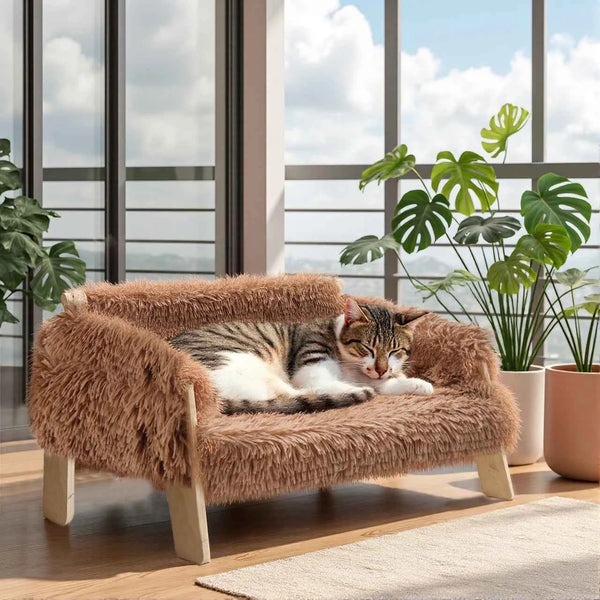
If your cat suddenly spends most of the day tucked under the bed, inside closets, or in any dark, quiet corner, it’s usually a sign that something in their environment feels threatening. Hiding is a natural coping mechanism for cats when they feel overwhelmed or unsure.
💡 Helpful item: A cozy cat bed like this raised plush cat sofa bed can give anxious cats a safe, comforting place to hide and decompress. 👉 View This Bed
2. Changes in appetite
Stress can affect a cat’s appetite very quickly. Some cats may eat significantly less, skip meals entirely, or rush through their food before walking away. Because stress impacts digestion and hormone levels, any sudden shift in eating habits should be monitored closely.
3. Excessive grooming (overgrooming)
Overgrooming — especially when it results in bald patches or irritation — is one of the most classic indicators of feline anxiety. Grooming helps cats self-soothe, but when the behavior becomes repetitive or obsessive, it usually means they are trying to cope with ongoing stress.
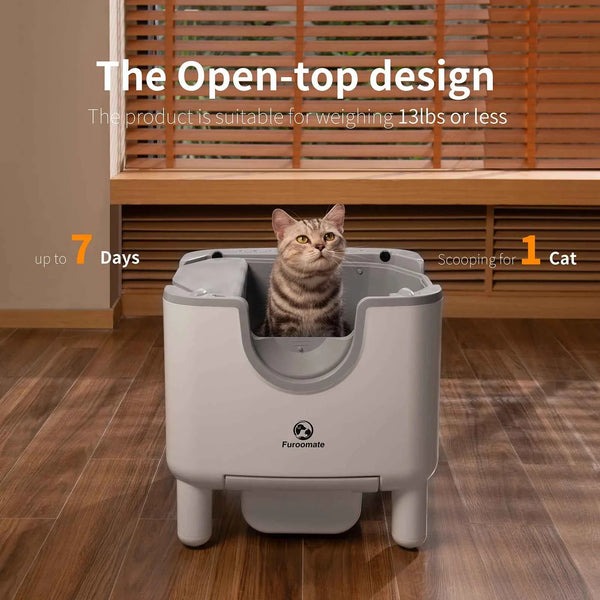
4. Litter box issues
When a cat begins urinating or defecating outside the litter box, it’s often related to emotional stress rather than disobedience. Cats may do this when they feel insecure, overwhelmed, or when their environment has changed and they’re trying to reestablish a sense of control.
💡 Helpful item: An enzyme cleaner is essential for removing odors to prevent repeat accidents. View Cleaner
5. Increased vocalization
A normally quiet cat that begins meowing excessively, yowling, or making unusual sounds may be trying to express anxiety or discomfort. Vocal changes often occur when cats feel unsettled or when something in their environment is making them nervous.
6. Sudden behavioral changes
Stress can show up as irritability, sensitivity to touch, or unusual aggression. A sweet, gentle cat may suddenly hiss, swat, or avoid interaction altogether. Conversely, some cats become clingier and follow their owners closely for reassurance.
7. Restlessness or hypervigilance
Pacing, constant movement without purpose, and being easily startled are signs that a cat’s nervous system is on high alert. These behaviors usually appear during sudden changes, loud noises, or situations that disrupt the cat’s sense of security.
🧘 How to Help Your Cat Calm Down
✔ 1. Create a “safe zone” your cat can retreat to
Provide a quiet, cozy space where your cat can relax without interruption. This might be a soft bed, a covered cat cave, or a simple box with a blanket that smells familiar. A designated safe space helps your cat regain emotional balance at their own pace.
✔ 2. Keep their environment predictable
Cats thrive on stability. Try to keep the placement of their litter box, food bowls, and furniture consistent. Avoid sudden changes in daily routines or household setups. Predictability helps reduce anxiety and gives your cat a sense of control.
✔ 3. Use calming pheromone products
Synthetic pheromones can make a big difference for stressed cats. Products like diffusers and sprays mimic the natural calming scent that mother cats release, helping reduce tension and create a comfortable atmosphere.
These are especially useful during:
• moving to a new home
• introducing new pets
• loud events like fireworks or thunderstorms
• rearranging furniture
✔ 4. Give your cat space and time
Not all stress should be “treated” immediately. Sometimes, the most effective method is simply stepping back and allowing your cat to process the situation. Avoid forcing physical contact or overstimulating them when they’re already overwhelmed.
✔ 5. Reintroduce gentle interaction
Once your cat begins to relax, slowly reintroduce positive experiences such as soft petting, brushing, treat-based training, or light play with a wand toy. These activities encourage the release of feel-good hormones and help rebuild emotional stability.
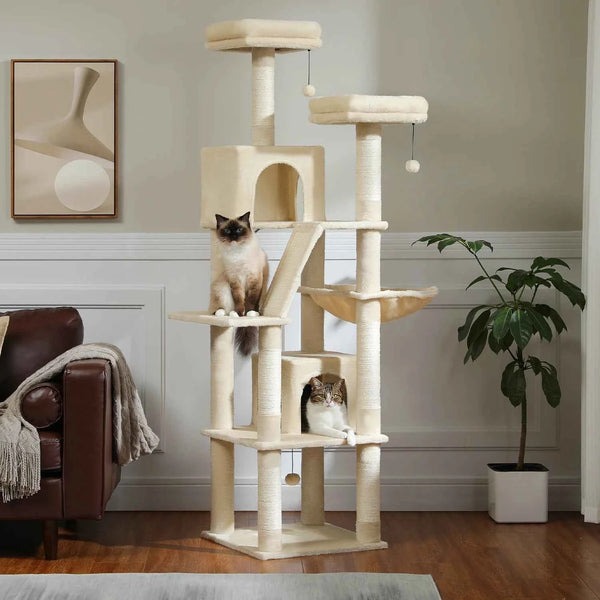
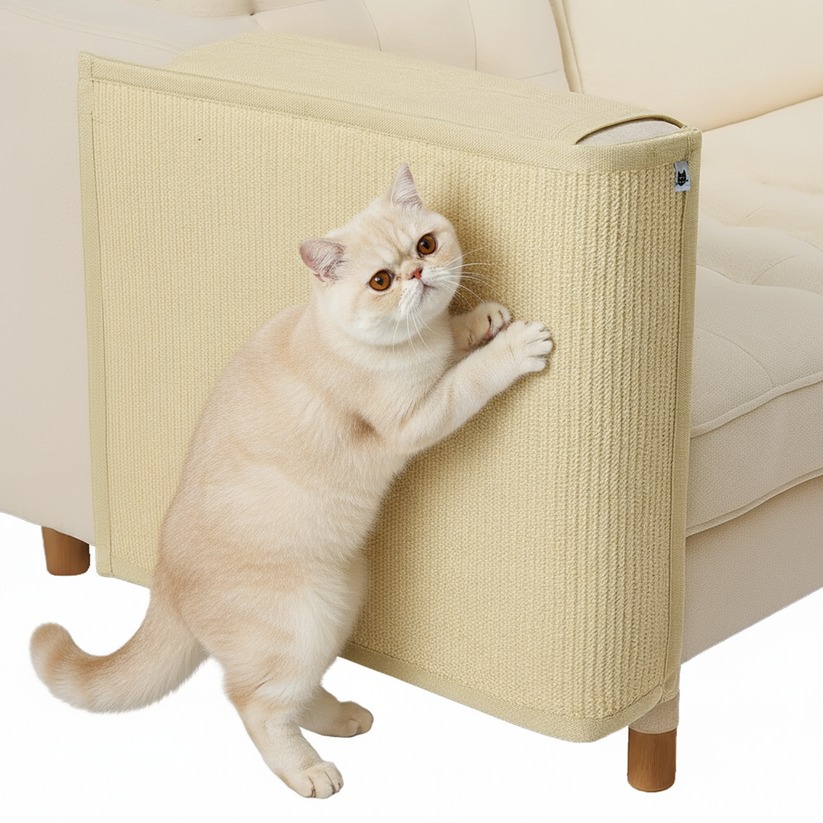
✔ 6. Provide mental and physical enrichment
A stimulating environment can dramatically reduce stress. Consider adding:
• scratching posts
• window perches
• cat trees
• interactive toys
• puzzle feeders
When a cat’s mind and body are engaged, they are less likely to fixate on stressful triggers.

✔ 7. Try calming treats or supplements
Many calming treats contain L-theanine, tryptophan, chamomile, or valerian root, which naturally promote relaxation. When used properly, these supplements are safe, non-sedating, and effective during stressful periods.
✔ 8. Reduce noise and environmental triggers
If your cat reacts to loud sounds, try masking noise with white noise machines, gentle music, or fans. A calm auditory environment can help reduce stress significantly.
✔ 9. Contact your veterinarian if stress persists
If the symptoms last more than one to two weeks, or if your cat is refusing food, losing hair, vomiting frequently, or showing severe behavior changes, seek veterinary guidance. Chronic stress can lead to medical issues such as cystitis or digestive problems.
🎯 Final Thoughts
Stress in cats is more common than many pet owners realize, but with patience and the right approach, most cats recover quickly. By observing their behavior, maintaining a stable environment, and providing emotional and physical enrichment, you can help your cat feel safe and comfortable again. Even small adjustments in their daily routine can make a meaningful difference.
For more insights on pet behavior, see our full Pets category