Does blue light from your phone or laptop actually harm your sleep? Here’s what the science says, how much it really matters, and simple ways to reduce the impact.
🌙 Does Blue Light Before Bed Really Mess With Your Sleep?
You’ve probably heard people say, “Stop looking at your phone before bed — the blue light will ruin your sleep.”
But how true is that, really?
The short answer: Blue light does affect your sleep, but not always in the dramatic way people make it sound. Here’s the real story, without the exaggeration.
1. How Blue Light Affects Your Sleep
Blue light is a short-wavelength type of light that signals the brain to stay alert.
When you use screens before bed, it can:
❌ Suppress melatonin (your sleep hormone)
❌ Trick your brain into thinking it’s daytime
❌ Make it harder to fall asleep
❌ Delay your body clock
❌ Reduce deep sleep
Basically: blue light delays your “wind-down” mode.
⏱️ 2. How Many Minutes of Screen Time Are Enough to Affect You?
According to sleep studies:
Screen Time Before Bed — Effect on Sleep
5–10 min — Minimal impact
30 min — Light melatonin suppression
1 hour — Noticeably harder to fall asleep
2 hours — Strong melatonin disruption
So yes — just 30–60 minutes of phone time before bed can already shift your sleep cycle.
😵 3. But Blue Light Isn’t the Only Problem
Even if you use:
- Blue light filters
- Night mode
- Reading mode
…a lot of people still can’t sleep well.
Why? Because the content itself can overstimulate your brain.
Things that keep your mind alert:
- Doomscrolling
- Social media drama
- Notifications
- News and intense videos
- Fast-paced content (TikTok/Reels)
So sometimes it’s not the light, it’s the mental stimulation.
🔧 4. Do Night Mode or Blue Light Filters Actually Work?
Yes — but only partially.
Benefits:
- Reduces eye strain
- Softer light in dark rooms
- Slightly helps melatonin production
Limitations:
- Filters usually block only 20–40% of blue light
- Long screen time still affects your sleep
- Doesn’t solve the problem of mental stimulation
If you use your phone for 1–2 hours before bed,
Night Mode won’t magically fix everything.
🛌 5. Simple Ways to Reduce the Impact of Blue Light
✔️ Lower Your Screen Brightness at Night
Brightness affects sleep more than the color temperature.
✔️ Use Night Shift / Reading Mode / Dark Mode
Helps the eyes relax → improves comfort.
✔️ Silence Notifications After 10 PM
Your brain hates unpredictability right before sleep.
✔️ Don’t Use Your Phone in bed
Let your brain associate bed = sleep, not scrolling.
✔️ Replace screen time with something calmer
- A book
- A slow podcast
- Light stretching
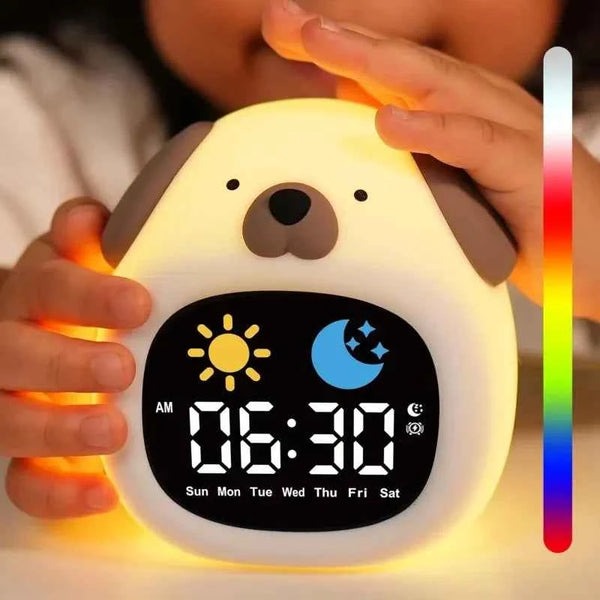
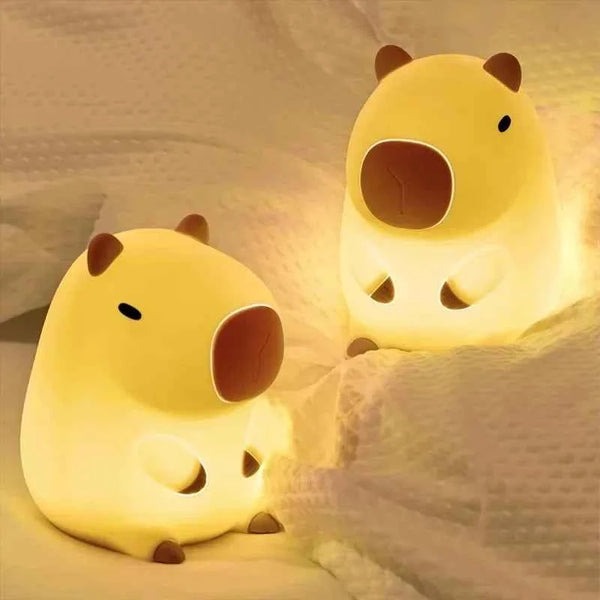
- Warm lighting below 3000K
✔️ If you MUST use your phone
- Turn brightness to 10–20%
- Use Dark Mode
- Avoid videos or heavy content
⚠️ 6. When Blue Light Becomes a Bigger Issue
It’s more serious when you:
- Already struggle with insomnia
- Work on screens late at night
- Have a disrupted sleep schedule
- Are highly sensitive to light
- Stay up past 2–3AM often
In these cases, even small amounts of blue light make a difference.
🧠 Final Verdict: Should You Worry About Blue Light?
Not really — blue light does have an impact, but it’s not a sleep destroyer.
It:
- Doesn’t permanently harm your eyes
- Doesn’t ruin your sleep from just a few minutes
- Isn’t as dangerous as the internet makes it sound
The real problem?
Overstimulation + long screen time + nighttime scrolling.
Fix those, and your sleep improves more than any blue light filter can promise.
For more tips to improve your nighttime routine, explore our full Wellness category.